
Why Your AC Is Not Cooling Properly in the Hottest Months
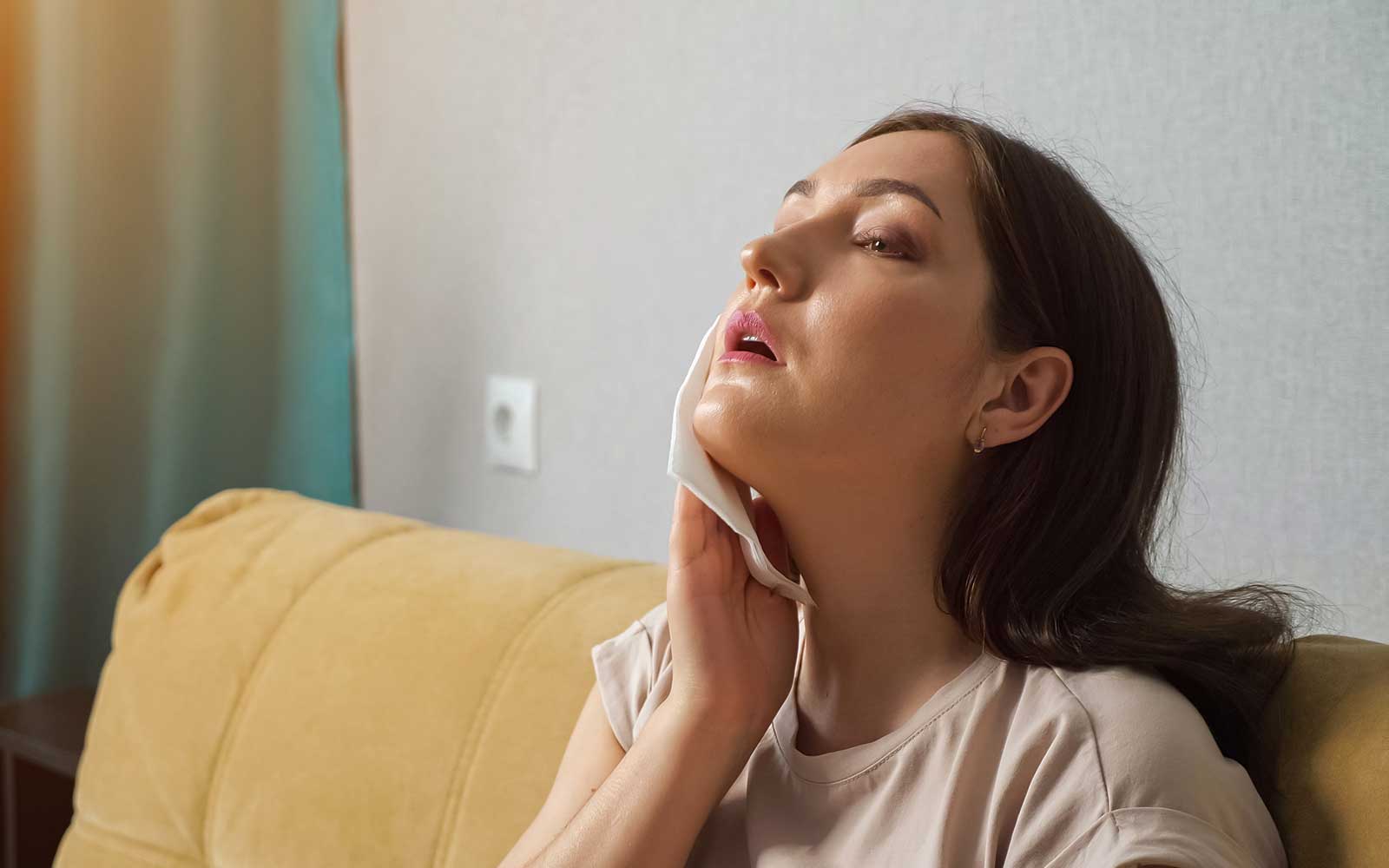
When the Florida heat hits its peak every summer, many homeowners face a frustrating problem: their AC is not cooling as effectively as it used to. It can feel like your system is failing just when you need it most. However, understanding how air conditioning systems are designed to operate can explain why this happens and what you can do to improve comfort in your home.
How Air Conditioners Perform in Extreme Heat
Air conditioners are engineered to work efficiently within a specific temperature range. In Florida, most systems are designed to cool indoor air when outdoor temperatures are moderate to hot but not excessively extreme.
The 20-Degree Cooling Limit
One critical fact is that air conditioners are typically capable of cooling indoor air up to 20° below the outside temperature. For example, if it’s 80°F outside, your AC can bring the indoor temperature down to around 60°F under ideal conditions. However, in reality, they often maintain around 70°F at 80°F outside, factoring in humidity and other variables.
When temperatures start climbing to the high 90s or above, your expectation that the AC will still cool down to the 70s becomes unrealistic. If it’s nearing 100°F outside, your system may only cool the home down to 75–80°F. This limitation often leads homeowners to believe the AC is not cooling when in fact, it is performing within its capacity.
Humidity’s Role in Cooling Efficiency
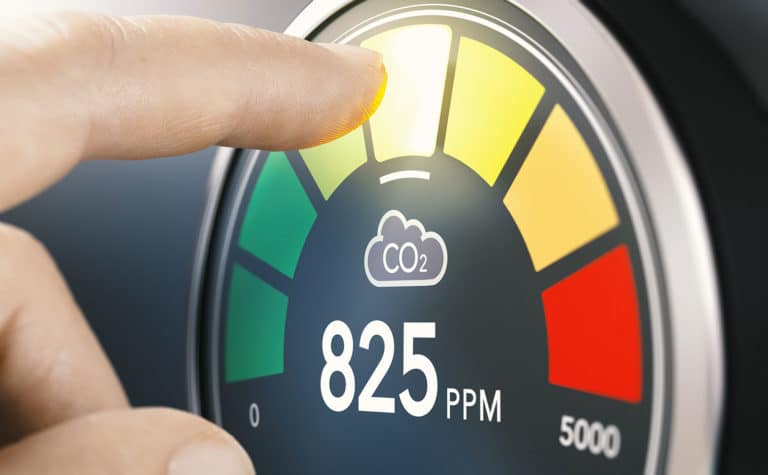
Humidity complicates the cooling process significantly. When indoor humidity is too high, the air feels warmer than it actually is, making your home uncomfortable even at lower temperatures. Air conditioning systems also work to reduce indoor humidity, but during extreme heat, maintaining that balance becomes challenging.
Why Bigger AC Units Are Not Always Better
A common misconception is that installing a more powerful or larger air conditioning unit solves cooling issues. However, oversizing your system can cause more problems than it solves, especially if your AC is not cooling properly in humid and hot conditions.
The Problem of Short Cycling
An oversized AC unit cools your home quickly, but this causes “short cycling” — where the system turns on and off frequently without running long enough to properly condition the air. Proper air conditioning requires circulating air for a sustained period to reduce temperature and humidity effectively.
Short cycling prevents thorough dehumidification, leaving the air feeling damp and uncomfortable despite the cooler temperature. This can result in a “cold jungle” effect — cool but clammy indoor air.
Reduced System Lifespan
Constantly turning on and off due to short cycling puts extra strain on your AC unit’s components, leading to premature wear and tear. Rather than being more efficient, a larger unit risks higher energy bills and costly repairs without solving the underlying comfort issues.
How to Improve Cooling When Your AC Is Not Cooling Well
If your AC is not cooling effectively during the hottest parts of the year, there are strategies beyond just changing your unit’s size that can make a difference.
Using a Dehumidifier with Your AC System
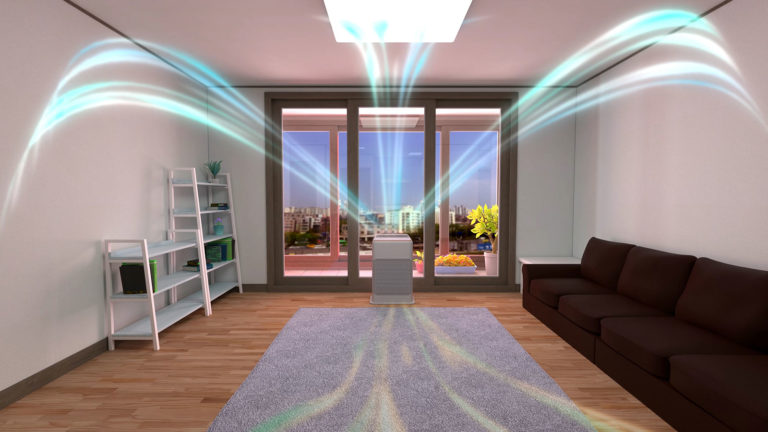
One of the best solutions is to install a whole-home dehumidifier inline with your central AC system. A dehumidifier removes excess moisture from the air, lowering indoor humidity and enhancing cooling comfort.
By reducing humidity, you allow your AC unit to work less hard, helping it maintain cooler temperatures more efficiently. Homes with balanced humidity levels feel more comfortable even at higher thermostat settings, saving energy and reducing strain on your AC.
Regular Maintenance and Efficiency Checks
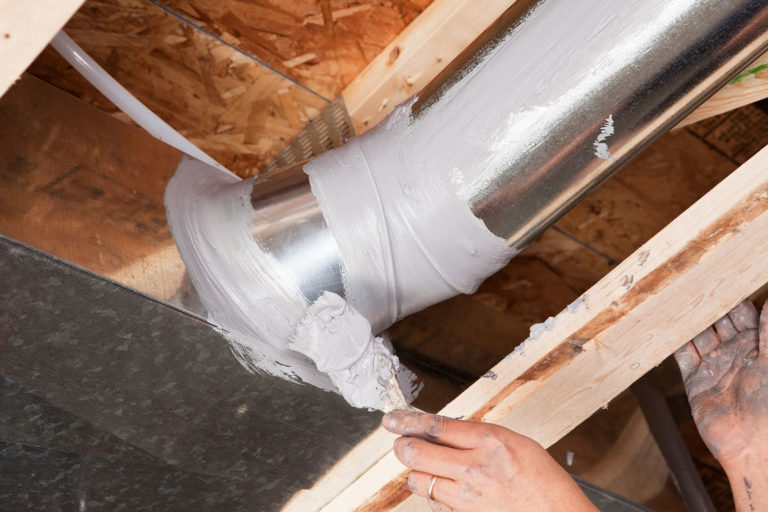
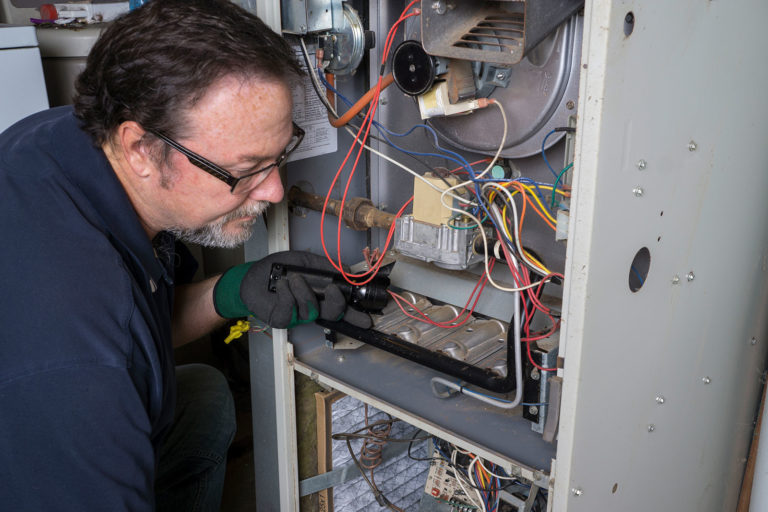
Another important factor is routine AC maintenance. Dirty filters, clogged coils, or low refrigerant levels can cause your AC system to underperform. If your AC is not cooling properly, scheduling a professional tune-up can uncover issues that restrict airflow or reduce cooling capacity.
What to Expect When Temperatures Soar
Even with proper maintenance and humidity control, it’s essential to have realistic expectations during Florida’s hottest days. When the outdoor temperature approaches or exceeds 100°F, cooling your home below 75–80°F can be challenging for most systems.
Understanding these natural limits can reduce frustration and help you plan for supplemental cooling options like:
- Ceiling fans or portable fans to improve air circulation
- Energy-efficient window coverings to reduce heat gain
- Zoned cooling to focus on frequently used rooms
When to Call for Professional Help
If you notice your AC is not cooling even on moderately warm days, or your energy bills spike without adequate cooling, it may be time to consult an HVAC professional. They can evaluate your system size, check for mechanical issues, and discuss dehumidifier installation options to optimize your indoor comfort.
Feel free to call us at 941-755-5555 for expert advice and service to help keep your home cool and comfortable all year long.