
The Commercial HVAC Installation Process for Large Projects
A Complete Guide to the HVAC Installation Process for Large Commercial Properties
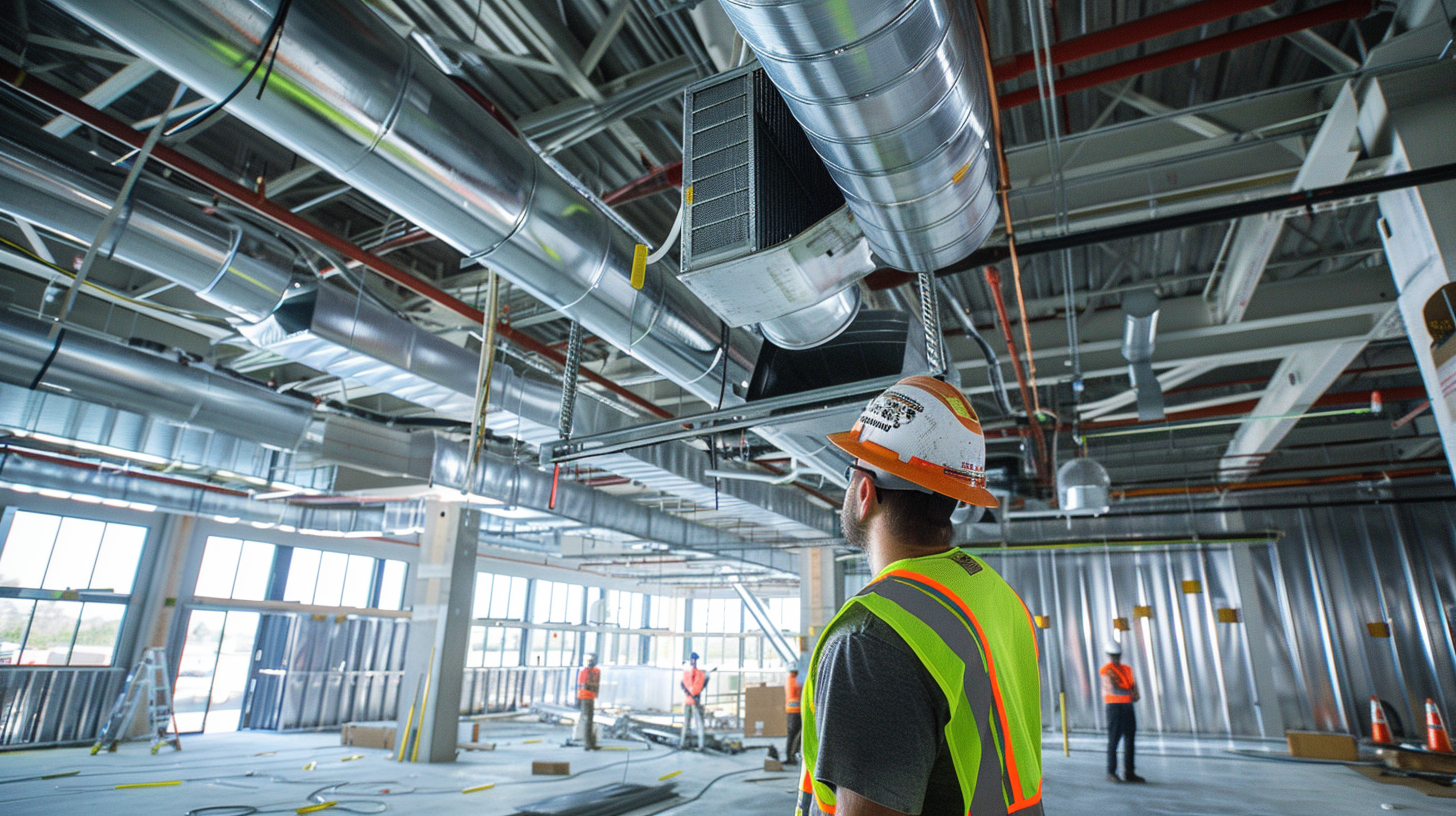
Like building Rome, you can’t complete a large commercial HVAC installation process in a day, but unlike ancient construction, you’ll need engineered precision at every step. You’re facing a multi-phase process where miscalculations in load requirements or ductwork configuration can compromise an entire facility’s climate control. Before your crew breaks ground, you’ll need to understand how planning, design, and execution interconnect. Here’s what separates successful installations from costly system failures.
Key Takeaways
- Conduct detailed load calculations and analyze occupancy patterns to determine precise heating and cooling requirements for the commercial space.
- Develop engineering blueprints with airflow modeling, secure permits, and prepare the site with safety protocols before installation begins.
- Install properly sized ductwork with effective sealing and position equipment according to manufacturer specifications to ensure optimal performance.
- Program building management systems, test airflow distribution, and balance components to verify that all systems function cohesively.
- Establish maintenance schedules based on manufacturer specifications and train facility staff on basic operations for long-term reliability.
Planning and Assessment for Commercial HVAC Systems
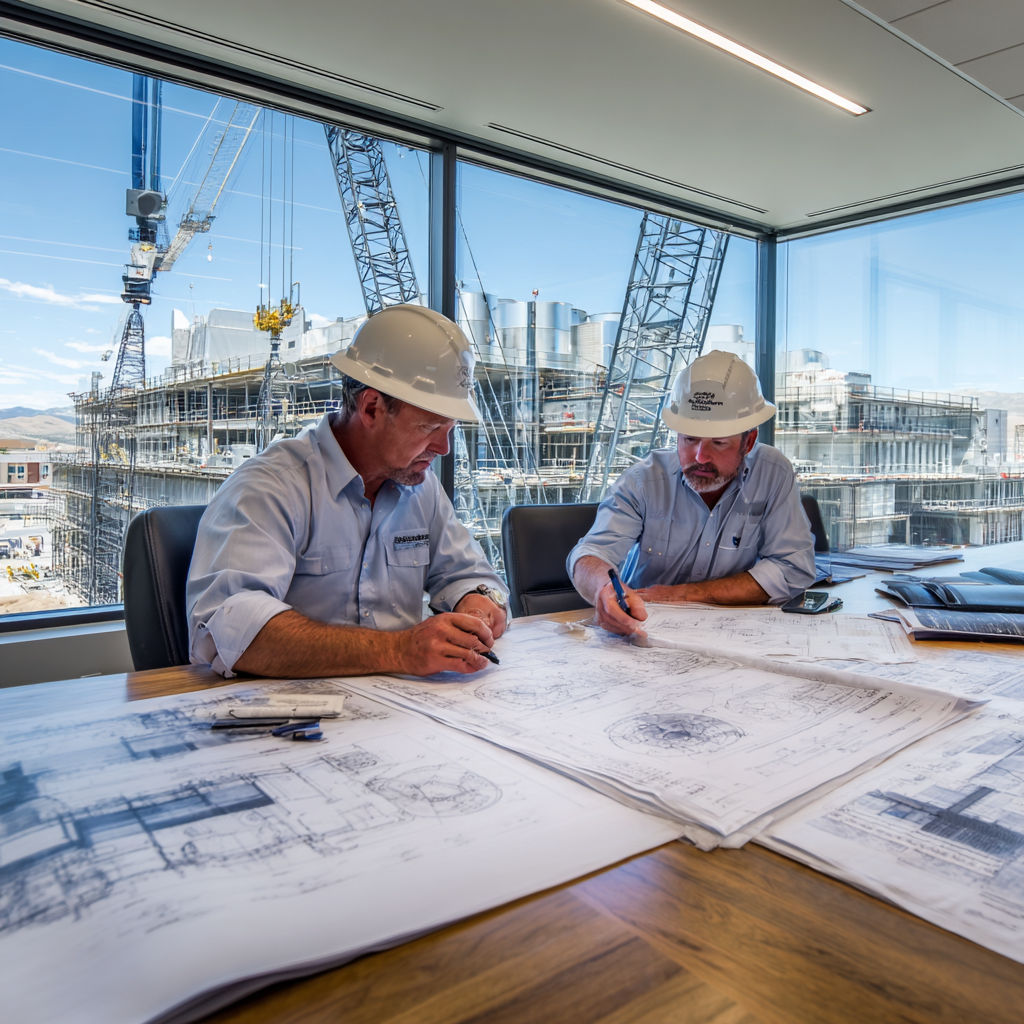
Before any equipment arrives on-site, you’ll need to conduct a thorough load calculation that accounts for your building’s unique characteristics, square footage, ceiling heights, wall construction, window placement, and insulation R-values. This planning and assessment phase forms the foundation of successful commercial HVAC systems implementation. You’ll analyze occupancy patterns, equipment heat loads, and building orientation to determine precise heating and cooling demands. Don’t overlook future expansion plans; your system must accommodate evolving needs without costly retrofits. Budget allocation requires balancing upfront installation costs against long-term energy efficiency gains, particularly when specifying EnergyStar-rated equipment. Your load calculations must factor in environmental conditions specific to your operations, whether you’re managing a medical facility, restaurant, or office complex. Undersized systems struggle to maintain comfort; oversized units cycle inefficiently, wasting energy. This methodical assessment guarantees your commercial HVAC systems deliver peak performance while controlling operational costs throughout the system’s lifecycle.
System Design and Engineering Requirements
Once load calculations confirm your building’s thermal requirements, you’ll translate those specifications into detailed engineering blueprints that define every component of your commercial HVAC system. This system design phase employs specialized software to conduct airflow modeling specific to your climate, building orientation, and occupancy patterns.
Your ductwork design must minimize pressure losses while guaranteeing air distribution meets engineered specifications for your exact layout. Proper zone planning enables independent control across different areas, adapting to varying occupancy and maximizing energy efficiency.
Equipment selection focuses on compatibility with existing infrastructure, maintenance requirements, and energy efficiency ratings that align with your operational goals. These customized HVAC solutions account for your facility’s unique demands while guaranteeing compliance with local building codes and regulations.
Every design decision directly impacts long-term performance, operational costs, and occupant comfort. Working with experienced engineers who understand commercial-scale projects guarantees your system delivers reliable, efficient climate control that serves your business needs for decades.
Pre-Installation Preparation and Site Setup
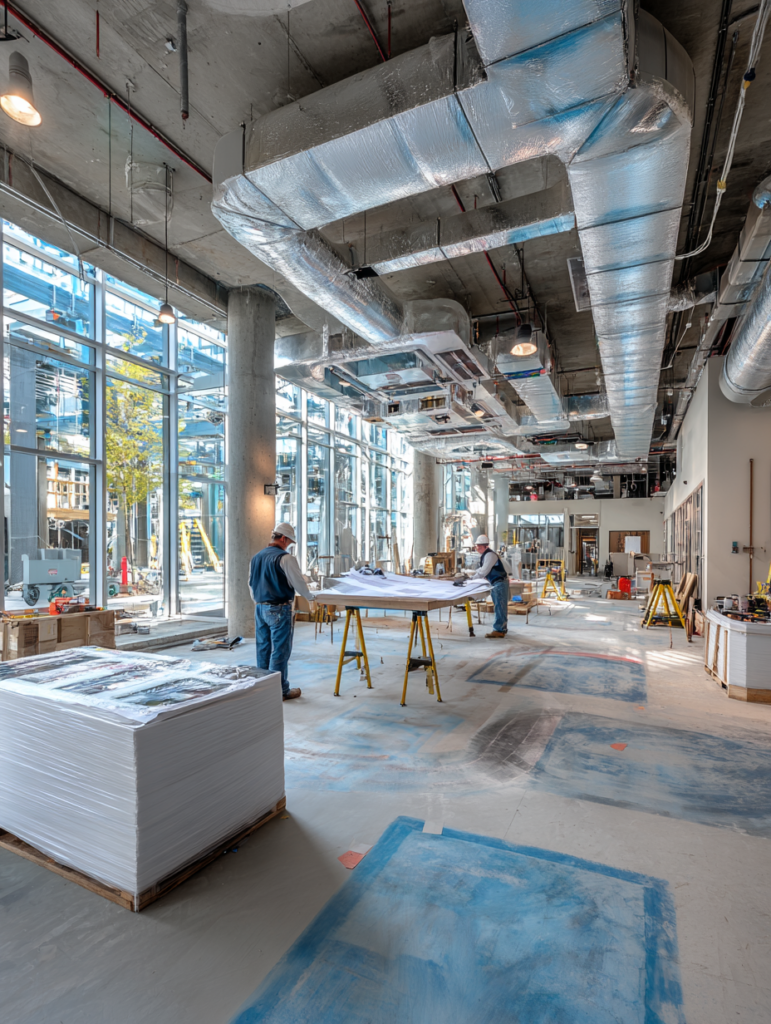
With your engineering blueprints finalized, the installation team initiates the pre-construction phase by securing all required permits from local authorities, a process that typically spans 2-4 weeks, depending on jurisdiction complexity and project scope. Your HVAC contractor then conducts a thorough site assessment to identify structural constraints, access points, and coordination requirements with electrical and plumbing trades.
Pre-installation preparation follows this systematic approach:
- Site clearance and protection: Establish work zones, install protective barriers around sensitive equipment, and guarantee adequate ventilation paths
- Material staging: Organize ductwork, air handling units, and components in designated areas for efficient workflow
- Utility coordination: Verify power supply locations, water connections, and drainage systems align with installation specifications
- Safety protocols: Brief your team on site-specific hazards and implement OSHA-compliant measures
This methodical preparation minimizes operational disruptions and keeps your installation process on schedule.
Ductwork Installation and Layout Configuration
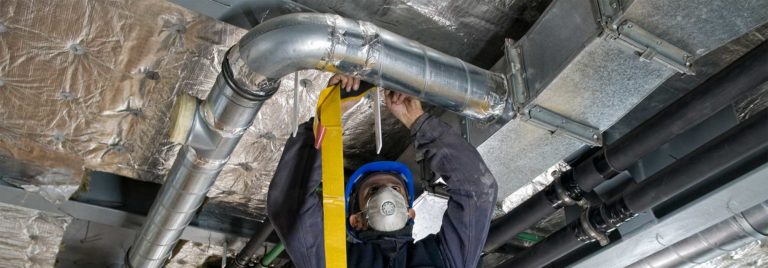
Strategic ductwork placement forms the foundation of your commercial HVAC system’s operational efficiency, directly impacting air distribution quality and long-term energy performance. Your ductwork installation begins with precise load calculations to determine ideal sizing, preventing pressure losses that compromise system efficiency by up to 25%. You’ll need to configure layouts that facilitate unobstructed airflow while accounting for your building’s unique design and occupancy patterns.
Effective sealing stands as your primary defense against air leaks, which can escalate energy costs by 30% when left unaddressed. You’re ensuring maximum return on investment by adhering strictly to engineered designs throughout installation. Your layout must accommodate zone-specific requirements, maintaining consistent temperature control across all areas.
Compliance with building codes and proper configuration prevents noise issues that disrupt operations. By prioritizing accurate air distribution pathways, you’re joining a community of facility managers who understand that careful ductwork execution directly translates to sustained comfort and reduced operational expenses.
Equipment Placement and Component Assembly
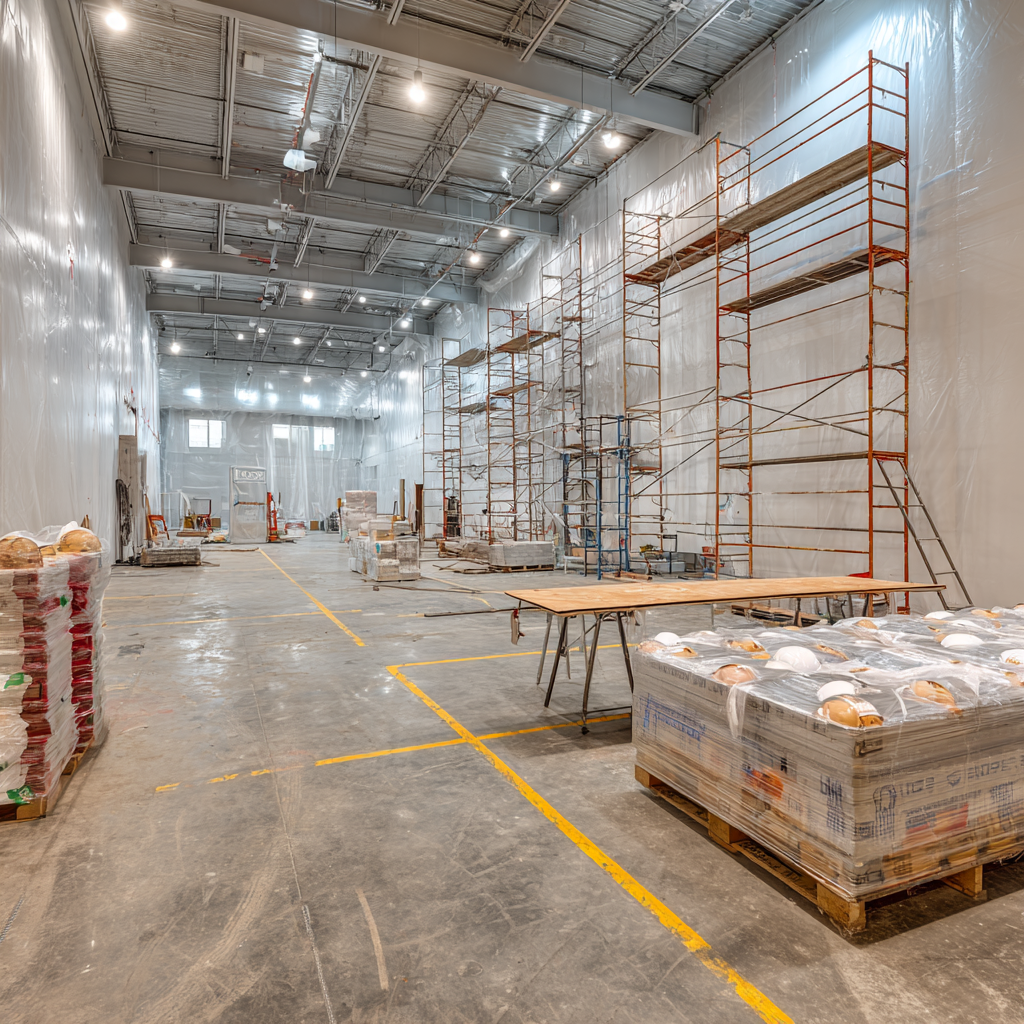
Because your commercial HVAC system’s performance hinges on precise equipment positioning, you’ll need to establish exact mounting locations before any physical installation begins. Proper equipment placement guarantees ideal air distribution while providing maintenance access throughout your facility’s lifecycle.
Your HVAC professionals will follow this systematic component assembly sequence:
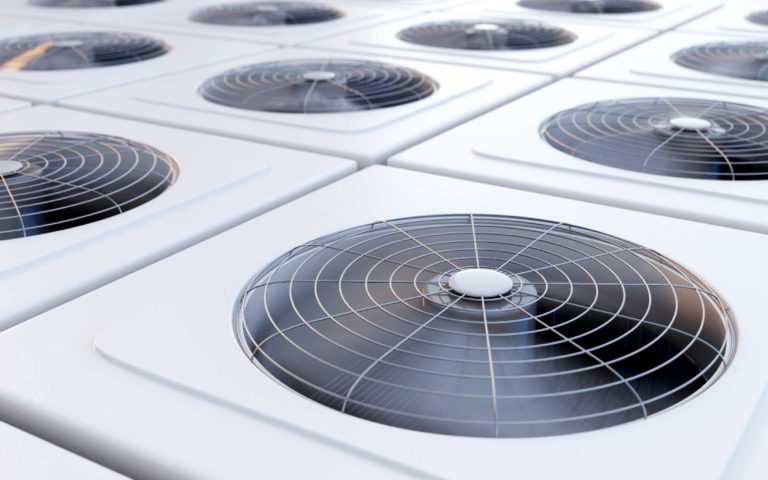
- Position outdoor units away from obstructions to maximize airflow and heat exchange efficiency
- Install indoor air handlers strategically to eliminate hot and cold spots across your commercial space
- Secure all equipment according to manufacturer specifications, preventing vibration transmission and guaranteeing operational stability
- Coordinate refrigerant lines and control systems with existing electrical infrastructure and ductwork configuration
This structured approach to component assembly requires close collaboration between your installation team, engineers, and contractors. Each mounting bracket, refrigerant connection, and control interface must align with design specifications to deliver the energy efficiency and comfort your building occupants expect.
Electrical and Refrigerant Line Connections
After securing all equipment in their designated mounting positions, your installation team must establish the energy supply and refrigerant pathways that bring your commercial HVAC system to operational status. Licensed electricians on your crew will handle all electrical connections, guaranteeing code compliance while integrating safety disconnects for maintenance accessibility. These connections provide a reliable power supply while enabling quick shut-offs during emergencies.
Your skilled technicians will then establish refrigerant line connections between condensing units and air handlers, where precision directly impacts energy consumption and system longevity. Proper sealing prevents leaks that compromise performance and inflate operating costs. Insulating these lines becomes crucial to minimize heat transfer that undermines efficiency.
Coordinating electrical and refrigerant installations simultaneously reduces project timelines and guarantees seamless component integration. AC Warehouse’s expertise in managing these parallel processes reflects the professional standards that distinguish successful large-scale commercial installations. This systematic approach protects your investment while establishing the foundation for ideal system performance.
Control System Integration and Programming

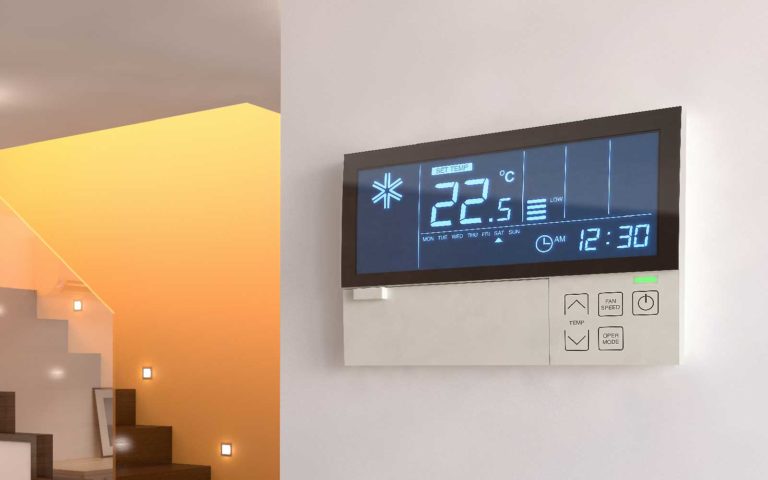
Once your electrical and refrigerant connections reach completion, your installation team moves on to control system integration, the technological nerve center that governs every aspect of your commercial HVAC operation. This critical phase connects sensors, thermostats, and control panels into one cohesive network that responds intelligently to your building’s demands.
Your programming process encompasses four crucial elements:
- Temperature and humidity scheduling: Configuring automated setpoints that align with occupancy patterns and operational requirements
- Zone control configuration: Programming individual area controls to maximize comfort while minimizing energy consumption
- Building management software integration: Enabling remote monitoring and real-time adjustments for facility managers
- Cross-system coordination: Linking HVAC controls with lighting and security systems for thorough building performance
Regular software updates maintain system efficiency and prevent costly operational disruptions. Your control system’s sophistication directly impacts energy efficiency, making proper programming vital for long-term performance optimization and operational cost reduction.
Testing, Balancing, and Performance Verification
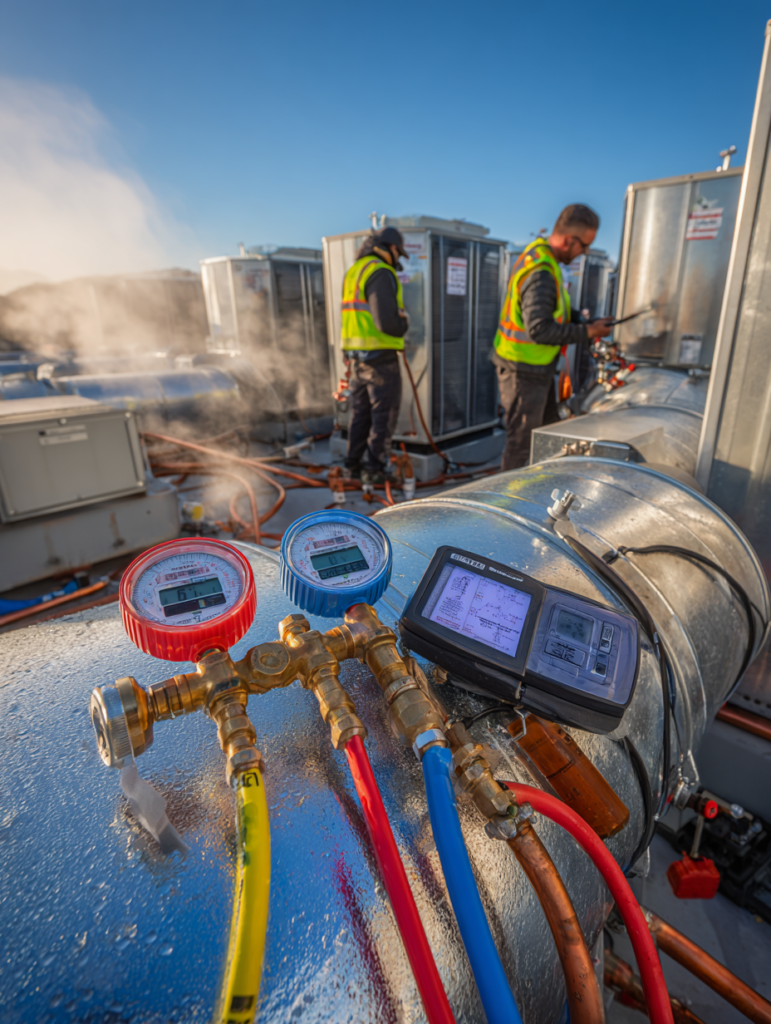
Your control systems now require empirical validation to confirm they’re directing equipment as designed. Testing begins with extensive functional assessments of your heating and cooling equipment, control systems, and airflow distribution networks. You’ll conduct these evaluations under various operational conditions to identify performance issues before occupancy.
Airflow testing verifies proper distribution and ventilation levels throughout your facility, ensuring indoor air quality standards are met. AC Warehouse technicians will measure actual volumes against design specifications at each diffuser and grille.
Balancing follows, adjusting dampers and ductwork to achieve uniform temperature distribution across all zones. This systematic process eliminates hot spots and cold zones that compromise occupant comfort.
Performance verification documents all test results and metrics, creating crucial records for compliance audits and future maintenance. You’re establishing baseline data that’ll serve your facility management team for years, ensuring your system consistently delivers the comfort and efficiency your stakeholders expect from this significant investment.
System Commissioning and Quality Assurance
As your HVAC system shifts from testing to full operational readiness, commissioning acts as the final verification that all components function cohesively as an integrated system rather than isolated equipment. System commissioning validates every operational parameter through quality assurance protocols that measure actual performance against design specifications.
The commissioning process delivers peak performance through:
- Comprehensive component verification: Testing airflow rates, temperature differentials, and control system responses across all building zones
- Detection and correction: Identifying issues like improper duct sealing or equipment malfunctions that compromise efficiency
- Performance documentation: Creating detailed records that serve as references for ongoing support and future maintenance adjustments
- Energy optimization: Achieving up to 30% energy savings through systematic refinement of operational parameters
This methodical approach guarantees your commercial space delivers enhanced indoor air quality and occupant comfort while establishing a foundation for sustained system efficiency throughout the building’s lifecycle.
Maintenance Planning and Ongoing Support

While commissioning confirms your system meets design specifications, sustained performance depends on structured maintenance planning that transforms initial efficiency into long-term operational reliability. Our thorough maintenance plan forms the foundation of successful HVAC operations, preventing costly breakdowns while extending equipment lifespan through scheduled interventions.
Establish regular maintenance protocols based on manufacturer specifications and usage patterns. Filter changes, coil cleaning, and systematic inspections maintain peak performance when executed consistently. Service agreements provide ongoing support through priority response and scheduled visits, identifying minor issues before they escalate into major failures.
Train your facility staff on basic maintenance tasks and system operation procedures. This knowledge enhances day-to-day functionality and enables quick problem identification between professional service visits.
Document all system performance metrics and maintenance activities carefully. These records streamline warranty claims processing and support data-driven decisions regarding system upgrades or replacements, ensuring your investment delivers maximum value throughout its operational lifecycle.
Frequently Asked Questions
What Permits and Regulatory Approvals Are Required for Commercial HVAC Installations?
You’ll need building permits, mechanical permits, and electrical permits from local authorities. Your installation must meet Florida Building Code, EPA refrigerant handling regulations, and pass inspections verifying proper load calculations, ductwork, and energy compliance standards.
How Long Does a Typical Large Commercial HVAC Installation Take?
You’ll typically need 3-6 months for large commercial HVAC installations, though project timelines vary based on building size, system complexity, and coordination requirements. Design, permitting, installation, and commissioning phases each demand systematic attention to guarantee code compliance and peak performance.
What Factors Influence the Total Cost of Commercial HVAC Projects?
Your commercial HVAC project costs depend on building size, system complexity, equipment specifications, ductwork requirements, labor rates, permits, and timeline constraints. You’ll also factor in energy efficiency goals, indoor air quality needs, and local code compliance requirements affecting overall investment.
Can Existing HVAC Systems Be Upgraded Without Complete Replacement?
Yes, you’ll find feasible, forward-thinking upgrade paths available. Your existing system can receive strategic enhancements, retrofitted controls, improved components, optimized ductwork, and advanced thermostats, delivering better performance and efficiency without requiring full replacement or major disruption.
What Financing Options Are Available for Large Commercial HVAC Projects?
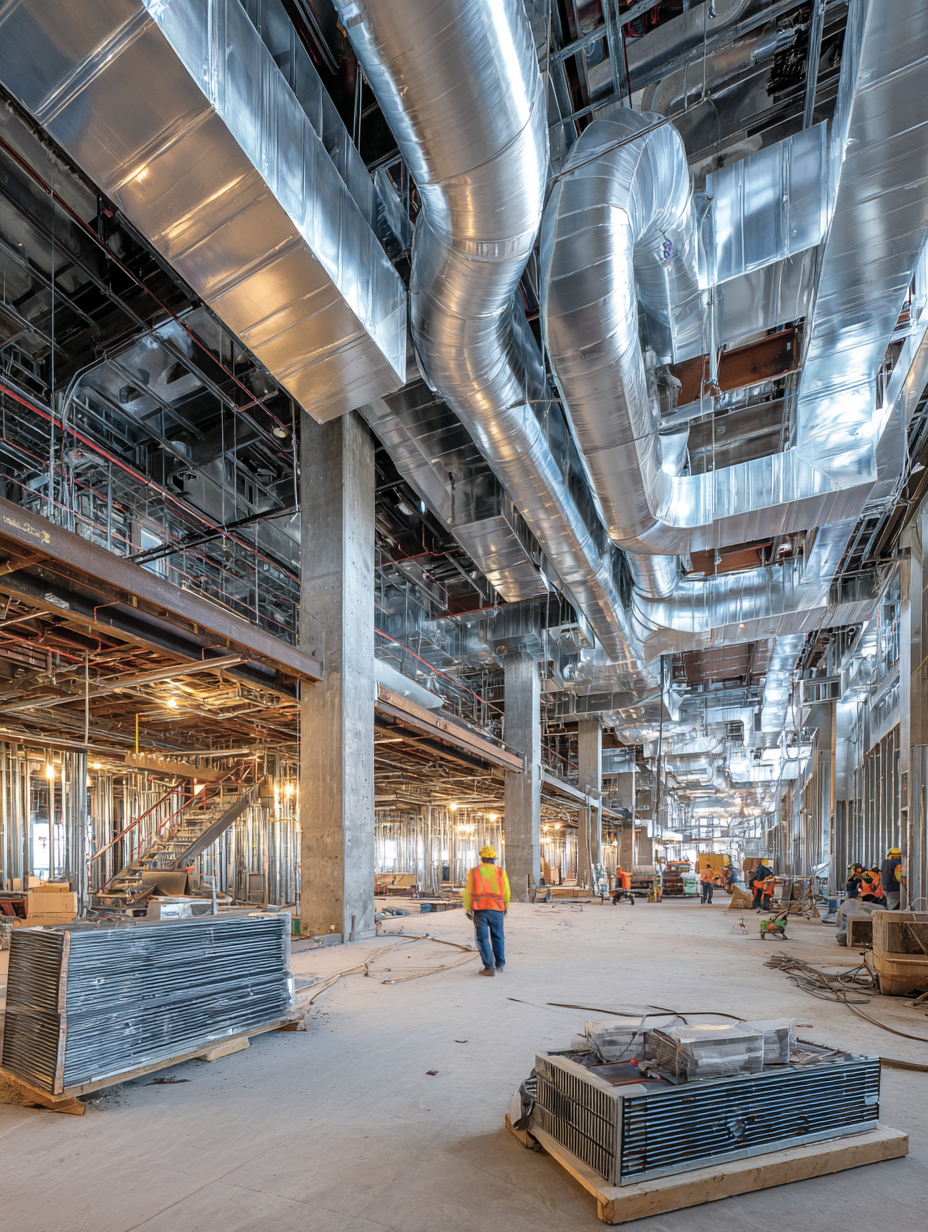
You’ll find flexible financing solutions tailored to the scale of your commercial project, including PACE programs, equipment leasing, and customized payment plans. We’re here to discuss terms that align with your budget and timeline requirements.
Conclusion
Your commercial HVAC system stands as the circulatory network of your building, each duct serving as an artery and every damper a valve regulating essential flow, designed, installed, and maintained by AC Warehouse as a cohesive whole. Through a careful commercial HVAC installation process that includes systematic planning, precise installation, and rigorous verification, your system begins to breathe life into the facility, maintaining ideal environmental conditions. With ongoing diagnostics and preventive maintenance from AC Warehouse, this mechanical heart can keep beating efficiently for years, protecting comfort while maximizing the return on your infrastructure investment.