
HVAC FAQs: 7 Smart Questions the Can Save You Money
Many homeowners don’t think much about their HVAC systems until something goes wrong. However, knowing the answers to some common HVAC questions can help you improve your energy efficiency, reduce your HVAC bills, and make you sound like the smartest person in the room when the topic comes up.
Ready to get started? Here are answers to some of the questions our AC Repair experts hear most often.
1. How Often Should I Change My Air Filters?
The frequency for changing your air filter depends on factors like the type of filter, whether you have pets, and if anyone in your household has allergies. Generally, you should change filters every 90 days, or every 60 days if you have pets.
Keeping your air filter clean is key because clogged filters can increase your air conditioner’s energy use by up to 15%, which directly impacts your HVAC bills by making your system work harder.
2. When Do I Need to Schedule Maintenance for My Heat Pump?
To optimize your heat pump’s performance, schedule professional maintenance twice a year—once in spring and once in fall. This routine helps extend the system’s lifespan, lowers operating costs, and can improve energy efficiency by as much as 25%, all contributing to lowering your HVAC bills.
3. What’s the Difference Between a Heat Pump and an Air Conditioner?
While air conditioners only cool your home, heat pumps provide both heating and cooling by transferring heat between inside and outside your home. Heat pumps generally maintain a comfortable 70 degrees as long as outside temperatures are above 30 degrees.
In colder climates, heat pumps may need more energy, which can increase your HVAC bills. That’s why heat pumps work best in areas with moderate climates where cooling and heating demands are balanced.
4. Is Indoor Air Pollution a Common Problem?
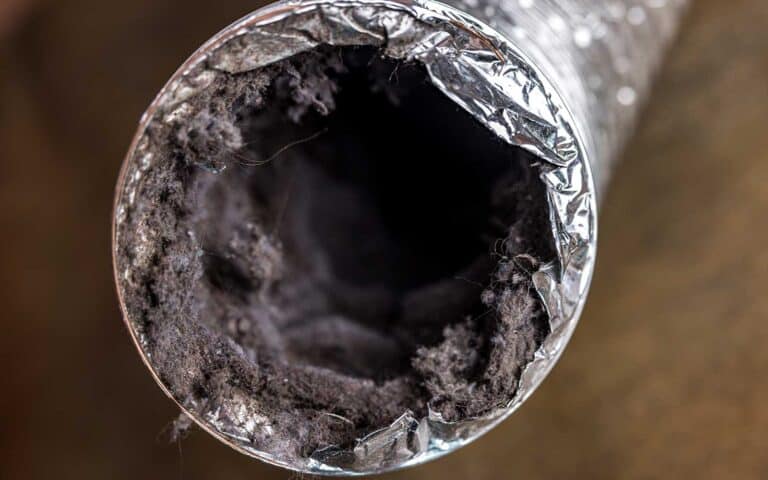
Indoor air pollution is a widespread issue that often goes unnoticed. Poor indoor air quality can cause headaches, fatigue, and worsen allergy or asthma symptoms. Despite this, about 87% of homeowners don’t realize that pollution indoors can be worse than outdoor air pollution.
Keeping your HVAC system well-maintained helps improve air quality and can keep your HVAC bills from rising due to inefficient filtration and ventilation.
5. How Can I Improve My Cooling Efficiency?
To keep your home cool and comfortable while keeping energy use—and your HVAC bills—low, choose energy-efficient equipment and regularly maintain your AC system. Optimizing your thermostat settings also plays a big role in reducing unnecessary energy consumption.
6. What Are My Options When Choosing a Thermostat?
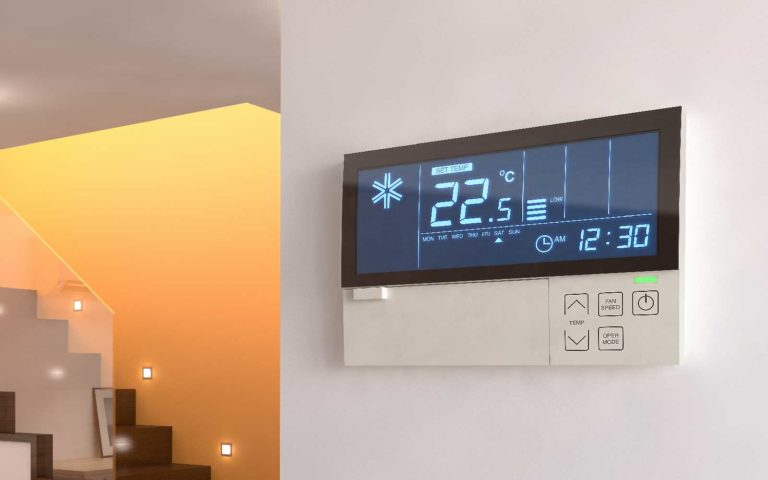
You can choose from three main thermostat types: non-programmable, programmable, and smart thermostats. Both programmable and smart thermostats help improve energy efficiency, but smart thermostats are Wi-Fi-enabled and adapt better to your schedule, which can further reduce your HVAC bills through smarter heating and cooling management.
7. Does the Quality of AC Installation Really Matter?
Yes! Proper installation is crucial. According to energy.gov, HVAC systems installed incorrectly can lose up to 30% efficiency, which could cause your HVAC bills to spike unnecessarily.
Choosing experienced professionals for AC installation protects your investment and helps keep your energy costs under control while ensuring comfort throughout the year.